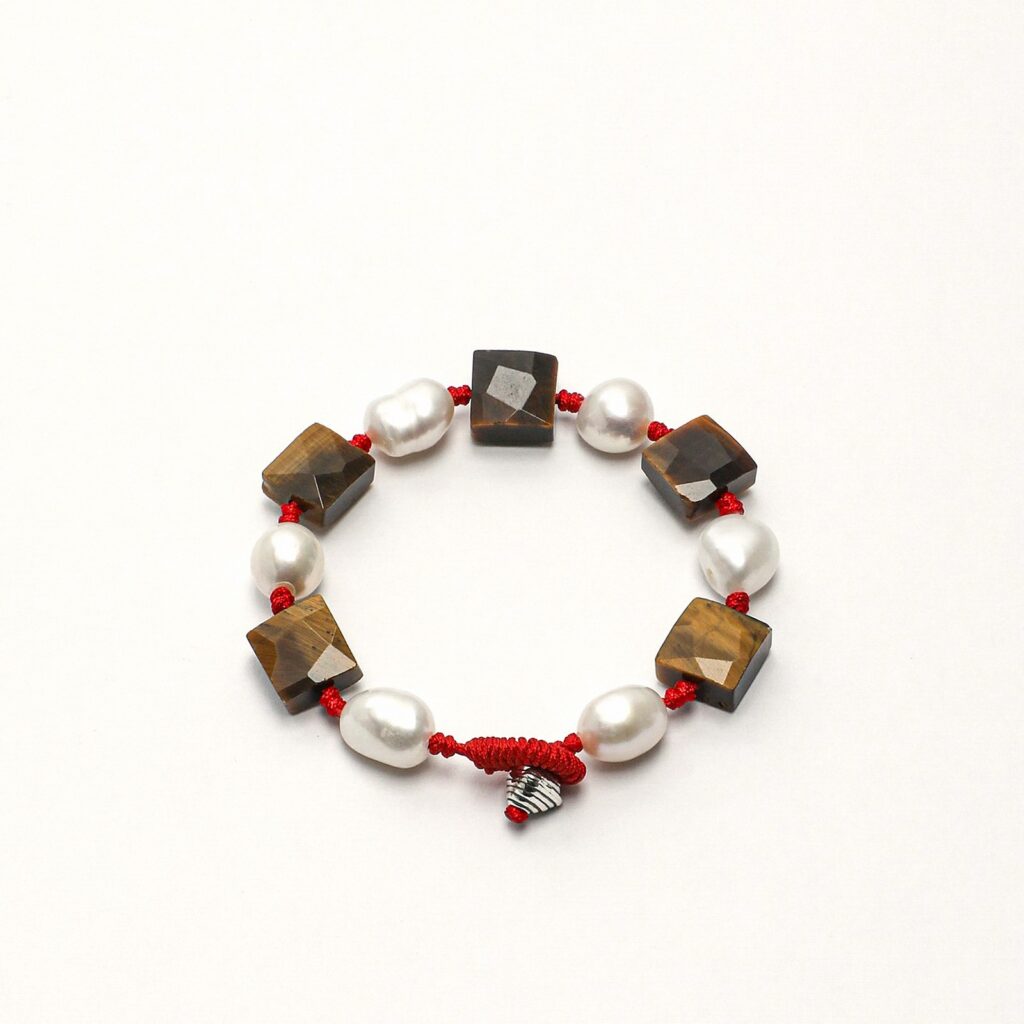
Sterling silver doesn’t need much care — it mostly needs less. Tarnish comes from three things: moisture, sulfur in the air, and the chemicals in perfume, lotion and hand sanitiser. Keep 925 silver dry, put it on last and take it off first, store it away from open air, and wipe it with a soft cloth after every wear. That routine prevents most of what goes wrong. For pieces that have already gone dark, a polishing cloth and ten minutes will bring the shine back. Here is how to care for sterling silver jewelry without harsh chemicals or risky home tricks.
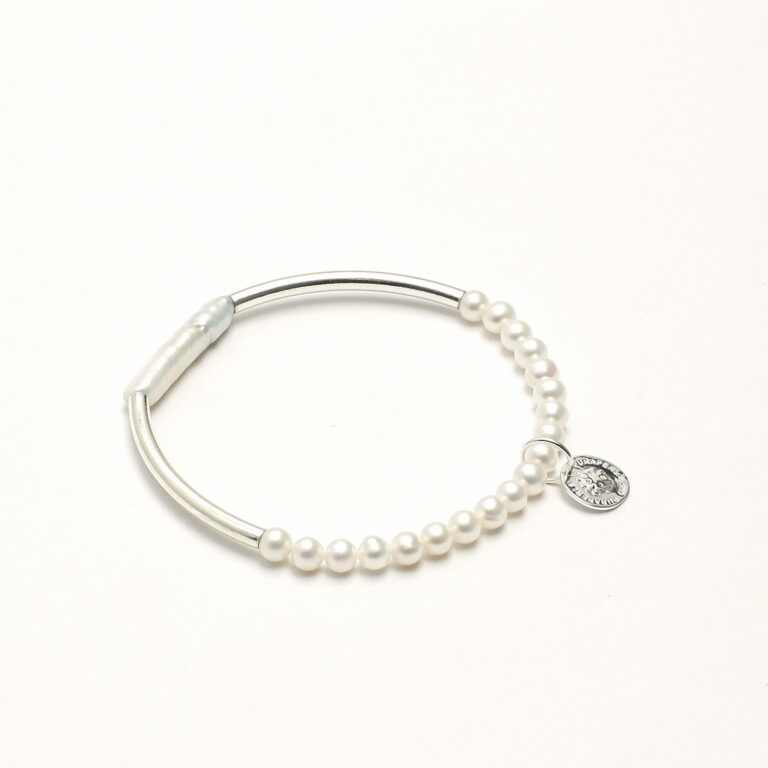 Sterling Silver Beaded Bracelet — polished 925 silver keeps its shine as long as it stays dry.
Why Sterling Silver Tarnishes
Sterling silver is 92.5% silver and 7.5% copper. The copper is what makes it strong enough to hold a clasp or a bead, and the copper is also what reacts. Sulfur compounds in the air — and in rubber, wool, some papers and certain foods — combine with the copper on the surface and leave a brown, grey or near-black film. That film is tarnish, and it sits on the surface rather than inside the metal.
Two things follow from that. First, tarnish is not damage, and a piece that has gone dark is not ruined. Second, polishing removes a very thin layer of silver along with the tarnish, so a piece that gets polished every week will slowly lose its crisp edges. Cleaning often but gently is the better habit than cleaning hard and rarely.
Skin is a factor too. Some people tarnish silver quickly and some wear the same ring for a decade with no change; acidity in sweat varies, and so does the medication, diet and cosmetics a person lives with. If your silver darkens within a week of wearing, the piece is not faulty. It simply spends more time in contact with sulfur than someone else’s does.
Daily Habits That Keep Silver Bright
Most of the work happens before the jewelry ever needs cleaning. Four habits cover the majority of it.
— Put it on last. Perfume, moisturiser, sunscreen, hairspray and hand sanitiser all sit on top of silver and speed up tarnish. Finish your skincare, let it settle, then put the jewelry on.
— Take it off first. The same order in reverse at night. Rings and bracelets collect soap and cream through the day; a two-second wipe before they go into the box saves a polishing session later.
— Keep water away. A water-resistant finish is not the same as waterproof. Showering, swimming and washing dishes all leave moisture in the gaps behind a bead or under a stone, and standing water is where tarnish starts. Chlorine in a pool is worse than plain water, and salt water is worse again.
— Wipe it down. A dry microfibre or soft cotton cloth after each wear removes the oils and dust that hold moisture against the metal. This one habit does more than any cleaning product.
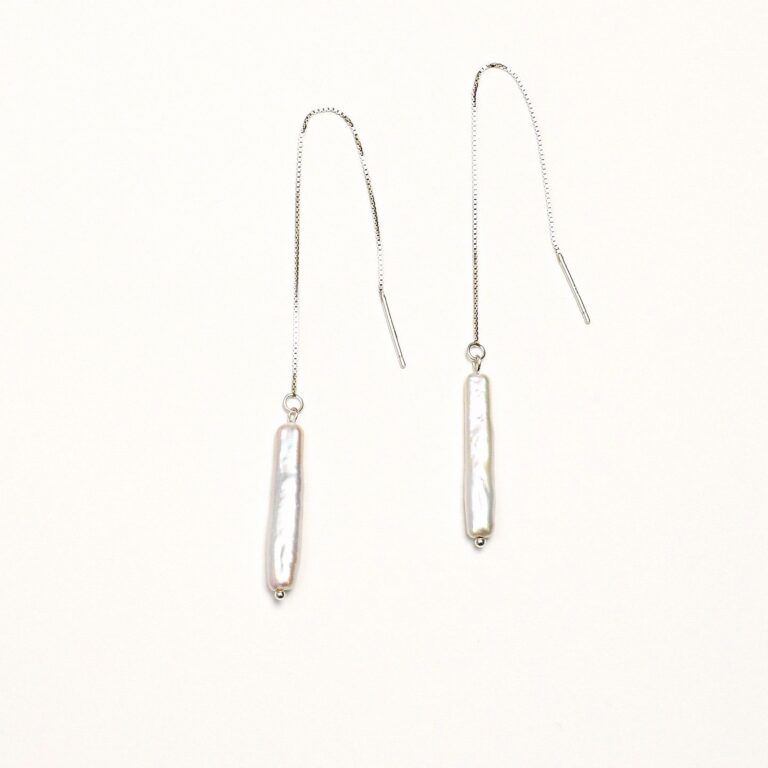 Sterling Silver Threader Earrings — thin chain and open hooks need drying, not scrubbing.
How to Clean 925 Silver at Home
Start with the mildest method that works and stop there. Most silver only needs the first two rows of the table below; the stronger options exist for plain metal with no stones set in it.
| Method | What it handles | Keep in mind |
|---|---|---|
| Dry polishing cloth | Everyday dullness, light tarnish, fingerprints | No abrasive, safe on stones and pearls. Weekly is plenty. |
| Mild soap and a soft brush | Dirt and cream trapped around beads, clasps, engraving | Dilute, rinse well, dry completely — including the drill holes. |
| Silver dip or liquid cleaner | Heavy tarnish on plain silver chains and bands | Skip stones, pearls and any darkened or antiqued finish; it removes those on purpose. |
| Baking soda, salt and foil | Emergency fix on a plain chain | Leaves a duller surface than a proper polish, and can strip an antiqued finish. |
| Ultrasonic cleaner | Hard-to-reach settings on solid metal | Not for pearls, opals, turquoise, glued settings or anything porous. |
| Toothpaste | Nothing — not recommended | The grit scratches the polish and leaves a hazy surface that needs professional re-polishing. |
When a piece carries natural stone beads, treat the silver as the part you clean and the stone as the part you protect. Warm water and a soft cloth are fine; prolonged soaking, alcohol, acetone and ultrasonic machines are not. Natural stone varies in colour, pattern and inclusions, so each piece is unique — but that uniqueness is exactly what harsh cleaners can alter.
Storing Silver So It Stays Wearable
Tarnish needs air. Remove the air and the process nearly stops. A small zip bag or a tarnish-resistant pouch is the cheapest piece of jewelry care you can buy, and it works better than an open tray on a dresser.
— Store each piece separately, or with a soft pouch between pieces, so clasps don’t scratch polished surfaces.
— Keep the box out of the bathroom. Steam, shampoo and hot water are the worst environment for silver in the house.
— Don’t store silver against rubber bands, elastic or wool. All three release sulfur compounds.
— For pieces worn rarely, add a strip of anti-tarnish paper and check them once every few months.
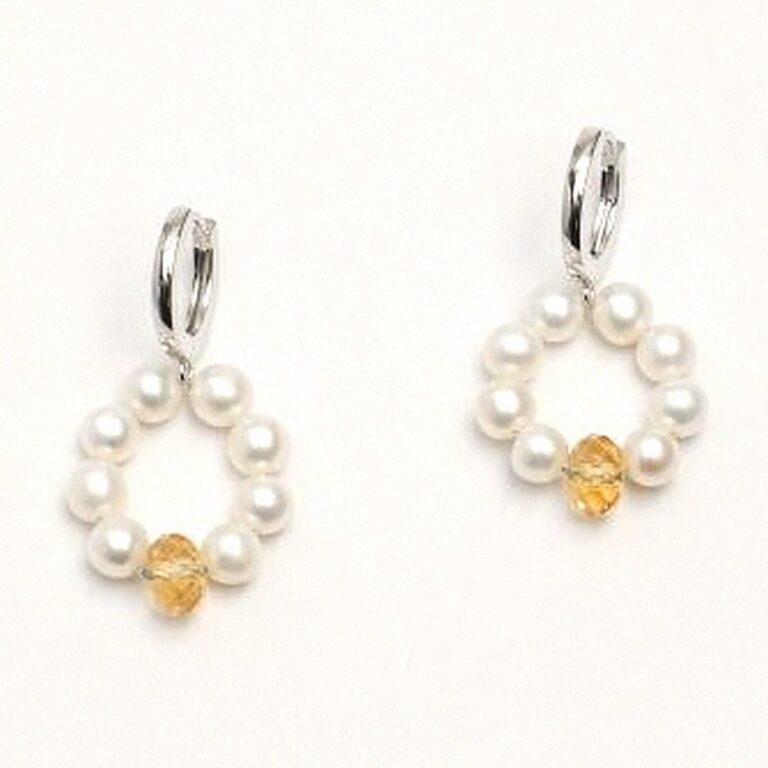 Sterling Silver Earrings — store pairs in a small pouch rather than loose in a tray.
What Not to Do With 925 Silver
A short list of habits that cause most of the damage we see in repair requests:
— Don’t leave it soaking. Overnight in water, particularly with soap, dulls the surface and loosens glue behind set stones.
— Don’t use bleach or chlorine. A hot tub or a chlorinated pool can turn a silver band dark in a single session, and repeated exposure makes the metal brittle at the joints.
— Don’t scrub pearls or soft stones. Pearl, opal, turquoise and malachite are softer than the cloth you’d use on them.
— Don’t polish an antiqued finish. If a piece is meant to look dark in the recesses, a polishing cloth takes that detail off in one pass.
— Don’t store it wet. Drying with a cloth is not enough on a threaded earring or a beaded strand; leave it out for an hour before it goes into the pouch.
When to take it to a jeweler instead
Some problems are worth the twenty dollars a bench jeweller charges, and a few of them get worse if you keep wearing the piece. A clasp that slips, a jump ring that has opened slightly, a stone that rattles in its setting, or a chain link that has stretched all need solder rather than polish. Deep scratches and a flattened texture on a polished surface need re-polishing, which is a machine job — a cloth will only skate over them.
Rhodium-plated pieces are their own case. White gold and some silver pieces are plated for extra brightness, and that plating wears through at the high points after a year or two of daily wear. The metal underneath is fine; it just shows a slightly warmer tone. A jeweller can re-plate it, and nothing you do at home will bring the plating back.
Put it all together and the routine is short: jewelry goes on after skincare and comes off before bed; each piece gets a dry wipe; pieces go into a pouch rather than a tray; water, chlorine and perfume stay away; a polishing cloth handles the dullness that appears anyway. That is the whole system, and it keeps 925 sterling silver looking like silver instead of like a metal that has been through a season of neglect.
If you are building a small collection, start with pieces you will actually wear daily — a minimal silver collection covers most outfits, and a single sterling silver beaded bracelet or a pair of threader earrings will take the wear that teaches you what your own skin does to silver. Our bracelets and earrings are all made with 925 sterling silver findings, hand-finished in small batches.
Questions We Get Asked
Can I wear sterling silver in the shower?
You can, but it costs you shine. Soap leaves a film, and water sits in the gaps behind beads and under settings. A water-resistant finish is not waterproof. Showering, swimming and washing dishes are the three times to take it off.
Does sterling silver turn skin green?
Sometimes, and it isn’t a sign of anything harmful. The copper in the 925 alloy reacts with sweat and with cosmetics, and the reaction can leave a faint green mark. It washes off the skin and off the jewelry with soap and water. A quick wipe of the piece after wear stops most of it.
How often should I polish silver jewelry?
Wipe weekly, polish when the surface starts to look dull — usually every one to three months for pieces worn daily. Polishing removes a very thin layer of metal, so polishing something that already looks fine only wears it down.
Is toothpaste safe for cleaning silver?
No. The abrasive particles that clean teeth also scratch polished silver, and the scratches scatter light in a way a polishing cloth can’t fix. Warm water, mild soap and a soft cloth do the job without the damage.
Is 925 sterling silver good for sensitive ears?
It is usually the better choice compared with inexpensive base-metal alloys, because 92.5% of the metal is silver. Some people are sensitive to the copper in the alloy or to nickel in plated findings; if a pair bothers you within an hour, stop wearing it and try a different pair rather than pushing through.
Can I wear my silver pieces every day?
Yes, and 925 silver is made for it. Daily wear actually keeps some pieces brighter than long storage does, because constant contact with skin and clothing rubs off light tarnish. The pieces that go black are the ones that sat in a drawer for a year.
Every LuckCord piece is hand-finished with 925 sterling silver findings and shipped from our studio in 3–5 business days. US delivery usually takes 15 business days, shipping is free over $75, and you have 30 days to return or exchange.
Shop the Silver Collection